


ABOUT WELL BEYOND THERAPY
Evidence-Based Online Therapy Built for Real Life
Well Beyond Therapy was built around a pretty simple idea: understanding yourself matters, and so does knowing what to do with that understanding.
There’s room here to talk about your history, your relationships, your identity, and the experiences that shaped you.
There’s also room for structure. For understanding why something keeps happening. For practicing a skill together. For knowing what we’re working on and why.
Therapy can be deeply human and still have a plan.

WHY WELL BEYOND THERAPY
Therapy Should Give You Something to Take With You
There are 168 hours in a week.
Therapy gets one of them.
The rest happens when you’re working, parenting, studying, dating, trying to fall asleep, having the difficult conversation, changing plans at the last minute, or standing in the middle of your kitchen while your brain decides now is apparently a great time to spiral.
That’s the Well Beyond part.
We want what happens in therapy to show up in the other 167 hours, too.
A skill you remember when an emotion hits hard. A different response when OCD asks for certainty. More flexibility when something doesn’t go according to plan. A better understanding of what your anxiety is doing and whether you actually need to listen to it.
The goal isn’t to become really good at therapy. It’s to feel more capable in your own life.

OUR APPROACH
Evidence-Based Therapy That Still Feels Human
We take evidence seriously because you deserve care with intention behind it.
Our work is informed by evidence-based approaches including Cognitive Behavioral Therapy (CBT), Dialectical Behavior Therapy (DBT), Exposure and Response Prevention (ERP), and Acceptance and Commitment Therapy (ACT). Hillary identified these as the core evidence-based approaches used in the practice.
That doesn’t mean therapy follows a script.
It means we think carefully about what we’re working on, why we’re approaching it a particular way, and whether what we’re doing is actually helping.
You’re still a person in the room. Your history matters. Your culture matters. Your relationships matter. Your goals matter.
Good therapy can have a framework without trying to squeeze you into one.
OUR VALUES
What Matters Here Shows Up in the Work
Values are only particularly useful if they change the way we actually practice.
These are the things we want you to be able to count on when you work with Well Beyond Therapy.

01 / DIVERSITY + CULTURAL HUMILITY
Therapy Should Make Room for the Context You Live In
None of us move through the world without context.
Culture, race, ethnicity, religion, gender, sexuality, family, community, socioeconomic circumstances, and lived experiences can shape what you’ve learned, what’s expected of you, what feels safe, and how you understand yourself.
Cultural humility means we don’t assume we already know what any of those things mean for you.
You are the expert on your own experience.
Our responsibility is to listen, ask when we don’t know, examine our own perspectives and assumptions, and provide care that respects the full context of your life.

02 / INTEGRITY + PROFESSIONALISM
Warm, Relational Care Can Still Have Strong Boundaries
Being human with you doesn’t mean being casual about your care.
We take seriously the responsibility that comes with being trusted with your story. That means protecting your privacy, practicing ethically, staying within our areas of competence, continuing to learn, and being straightforward when something falls outside the care we can appropriately provide.
You should understand what we’re doing and why. You should be able to ask questions. And you should be able to trust that the person supporting you takes that responsibility seriously.
Professional doesn’t have to mean impersonal.

03 / COLLABORATIVE CARE
Your Mental Health Isn’t Separate From the Rest of Your Health
Sometimes therapy is one piece of a larger care team.
With your permission and when it makes sense, we can coordinate with other healthcare professionals involved in your care so everyone has a clearer picture of what you’re navigating.
Not because more providers automatically means better care.
Because you shouldn’t have to feel like every person supporting you is working from a completely different map.

04 / SKILLS THAT LAST
Therapy Should Be Useful Outside the Therapy Hour
Insight matters.
Understanding where something came from matters. Having somewhere you can say the thing out loud matters.
And eventually, we want some of that work to travel with you.
We want you to leave therapy with a growing toolkit for navigating the things that brought you here in the first place, and more confidence in your ability to use it without always needing us beside you.
The point isn’t to need therapy forever.
It’s to take something with you well beyond it.
WHAT WE HELP WITH
Online Therapy for OCD, Anxiety, Perfectionism & More
Well Beyond Therapy works with teens ages 16+ and adults navigating concerns including:
OCD + Intrusive Thoughts
Anxiety
Perfectionism + Over-Control
Emotion Regulation
Perinatal Mental Health
Depression
The practice currently provides individual virtual therapy, with services available in Michigan, Illinois, and participating PSYPACT states.
People rarely fit perfectly into one category, though.
You can have anxiety and OCD. Be incredibly capable and exhausted by perfectionism. Love becoming a parent and have a really difficult postpartum experience.
We start with the person, not the service-page label.
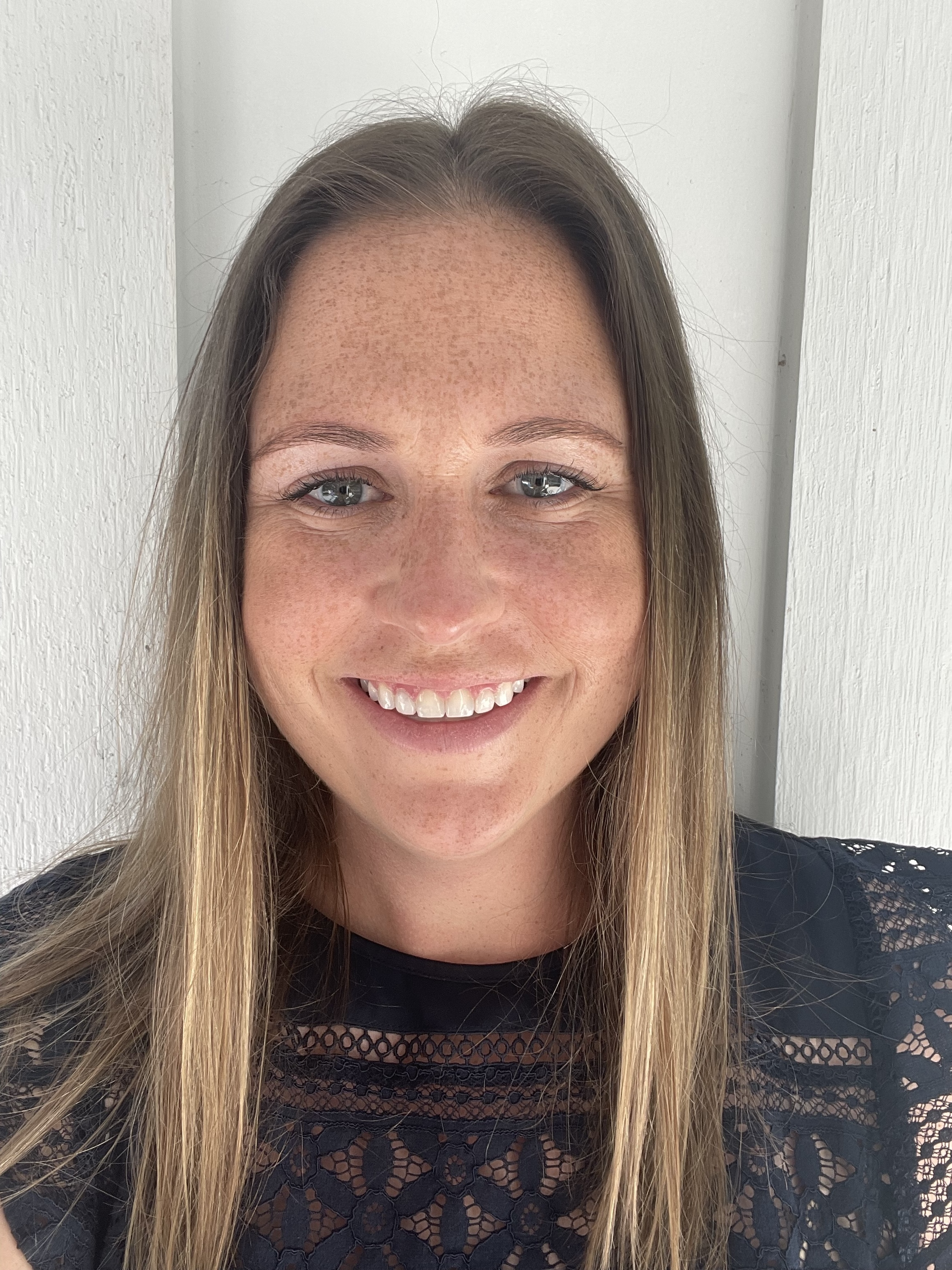
FOUNDED BY HILLARY URBAN, PSYD
Well Beyond Started With One Psychologist and a Clear Idea About Therapy
Well Beyond Therapy was founded by Hillary Urban, PsyD, a licensed clinical psychologist whose work is collaborative, skills-focused, and grounded in evidence-based treatment.
Hillary created the practice around the kind of therapy she believes in: care that takes both research and relationships seriously, helps people understand themselves more deeply, and gives them concrete ways to work with what they’re experiencing.
As Well Beyond grows, that philosophy stays.
The clinicians who join the practice will be expected to bring their own personalities, perspectives, specialties, and ways of connecting with clients. They don’t need to become copies of Hillary.
They do need to care deeply about doing good work.

READY WHEN YOU ARE
The Work Is Supposed to Go With You.
Not just into your next therapy session.